

AI-Driven Maritime Infrastructure Platform
Go first into the unnamed. First into the uncharted.
BERNOULLI is building an AI-driven maritime infrastructure platform. BlueShift opens the retrofit entry point for greener fleets, BlueGuard addresses high-value offshore operations, and NavBrain connects propulsion, control, mission execution, and shore-based operations into one intelligent stack.
Why Now
Maritime decarbonization, lean-crewing, and marine AI are entering the upgrade window together.
Framework
One overall plan, two growth tracks, three execution moves.
BERNOULLI is not built around selling a single vessel or a standalone software tool. The strategy is to combine core equipment, intelligent systems, and scenario operations into a maritime technology platform that can scale.
One Overall Plan
Build a maritime technology platform around BlueShift, BlueGuard, and NavBrain, combining hardware sales, system licensing, operations services, and recurring upside.
Two Growth Tracks
The primary track serves fleet decarbonization and high-value offshore missions, while the secondary track validates adjacent scenarios such as offshore logistics and mobile energy support.
Primary Track
Adjacency Track
Three Execution Moves
Strengthen capability through restructuring, scale through lighthouse-project replication, and standardize operations for durable delivery and long-term capital readiness.
Restructure
Scale
Standardize
Core Systems
Three core systems built on one physical-AI and ship-shore coordination stack.
BlueShift creates the retrofit and monetization entry point, BlueGuard opens high-value operating scenarios, and NavBrain unifies propulsion, control, mission execution, and operations into one intelligent system.
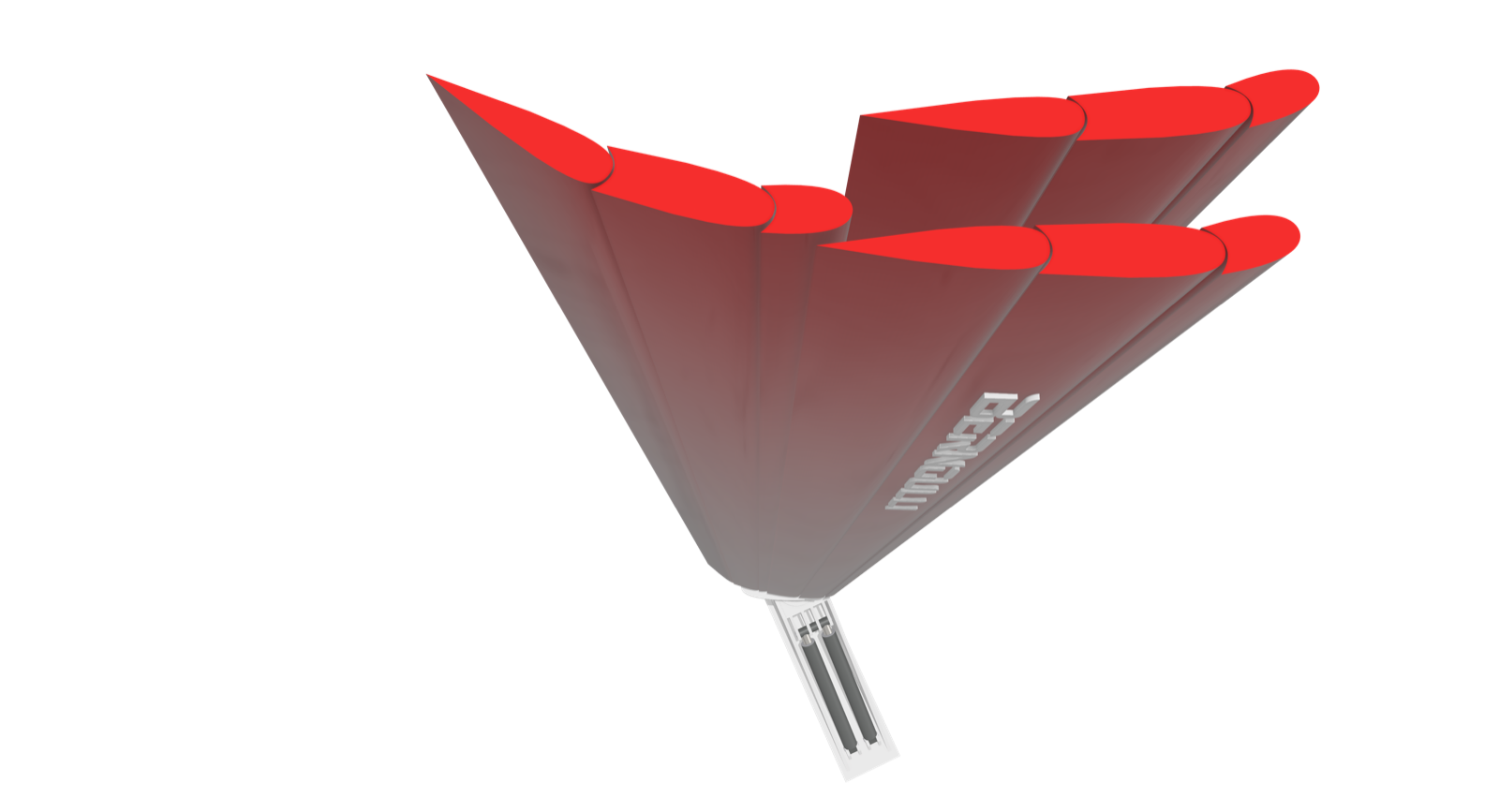
Wind Propulsion
BlueShift
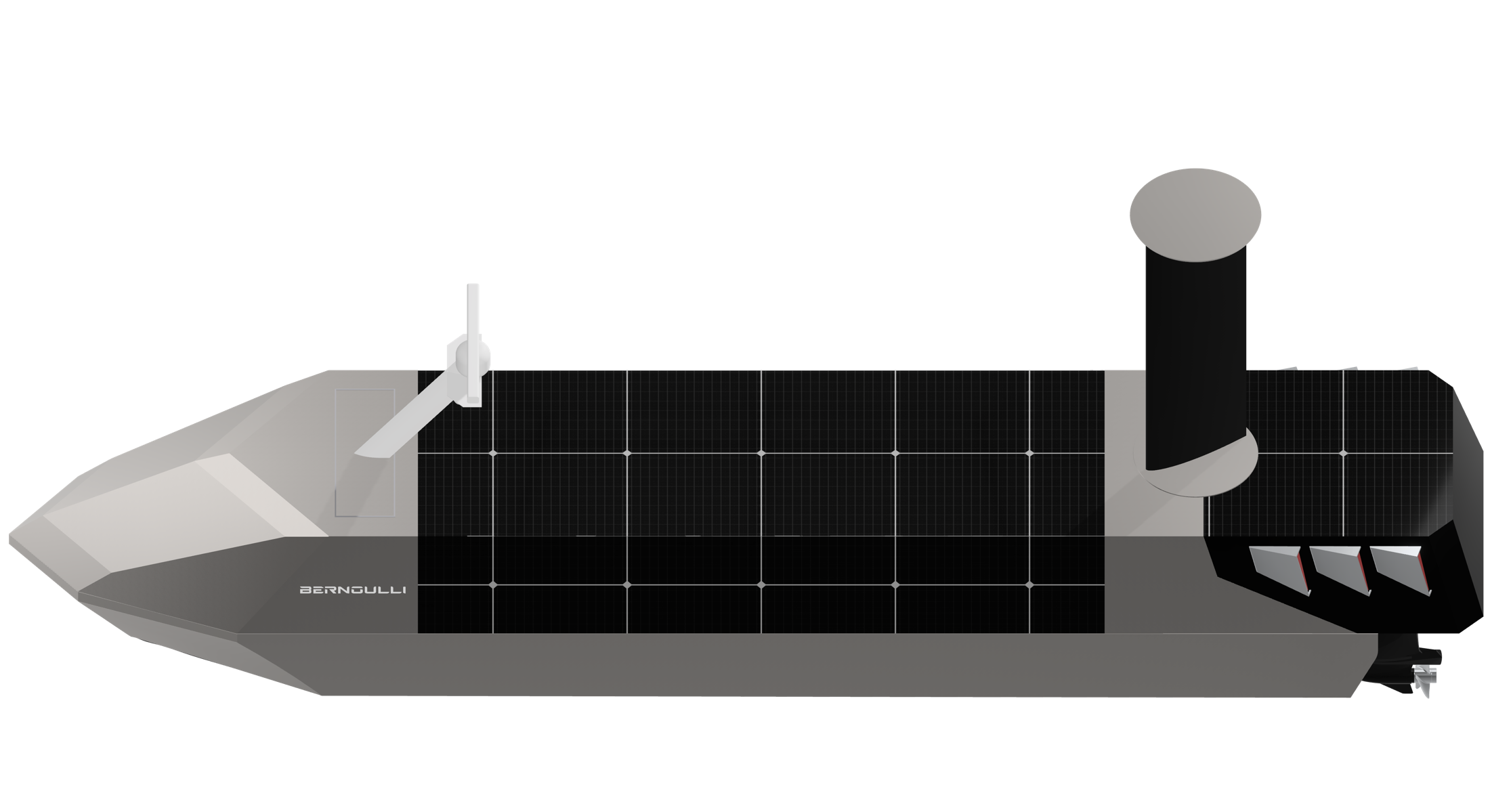
A green retrofit system for bulkers, tankers, container ships, and general cargo vessels, combining wind-assist hardware, control coordination, and a WindLedger performance loop.
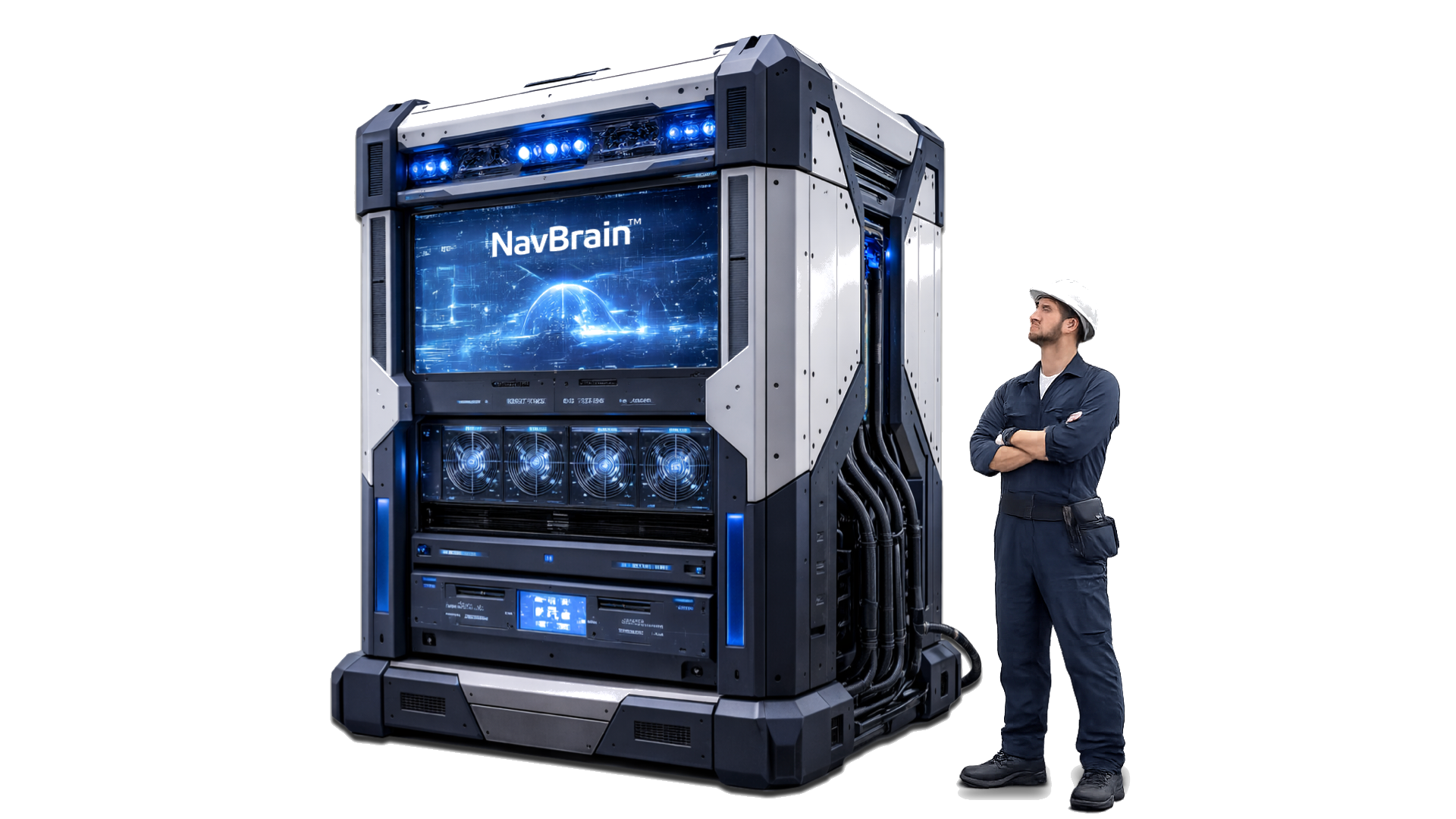
Marine Physical AI
NavBrain
Built on Marphys, Cangqiong, and the edge control stack, NavBrain serves as the vessel brain for sensing, routing, propulsion control, and fail-safe protection.
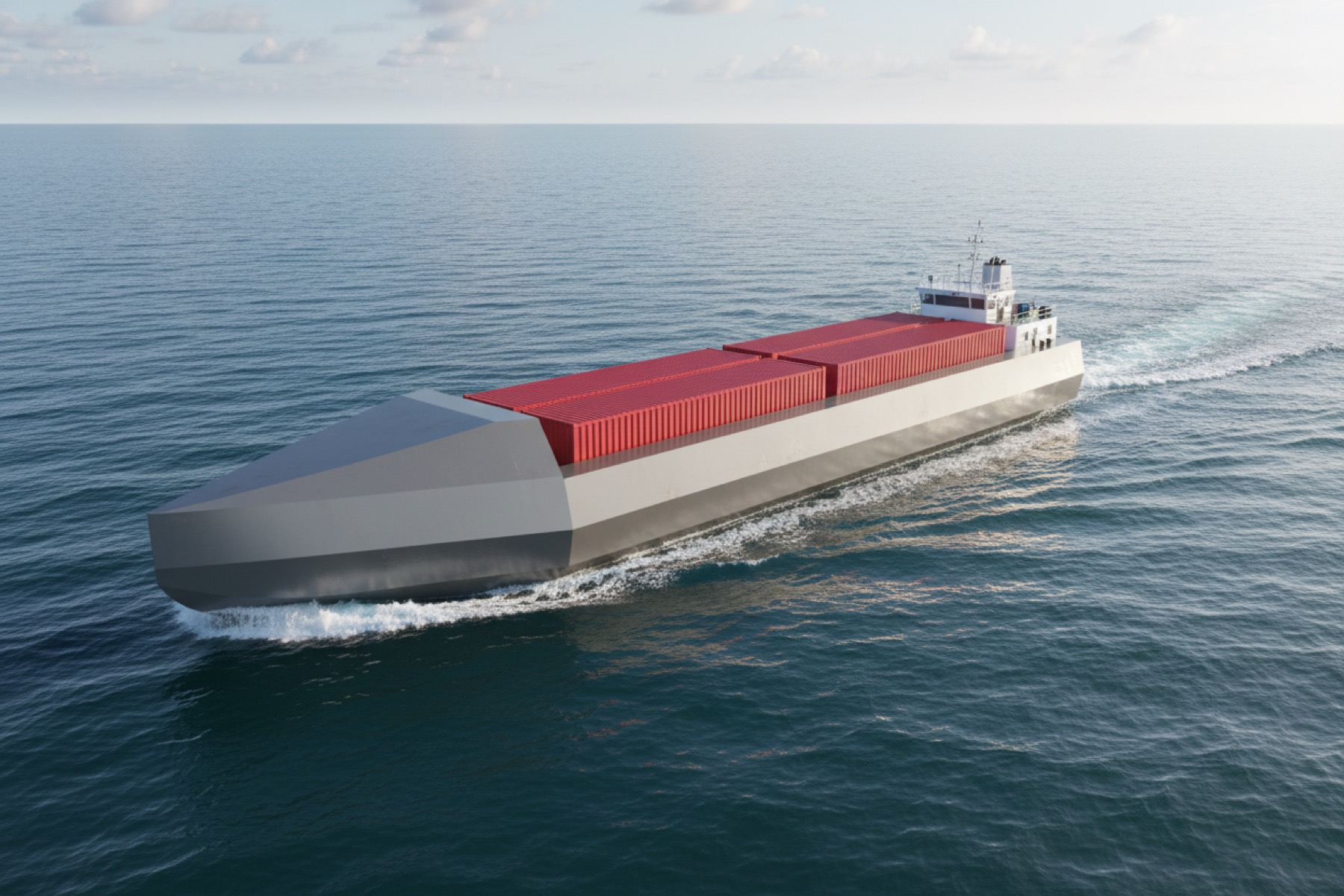
AUSV Platform Family
BlueGuard
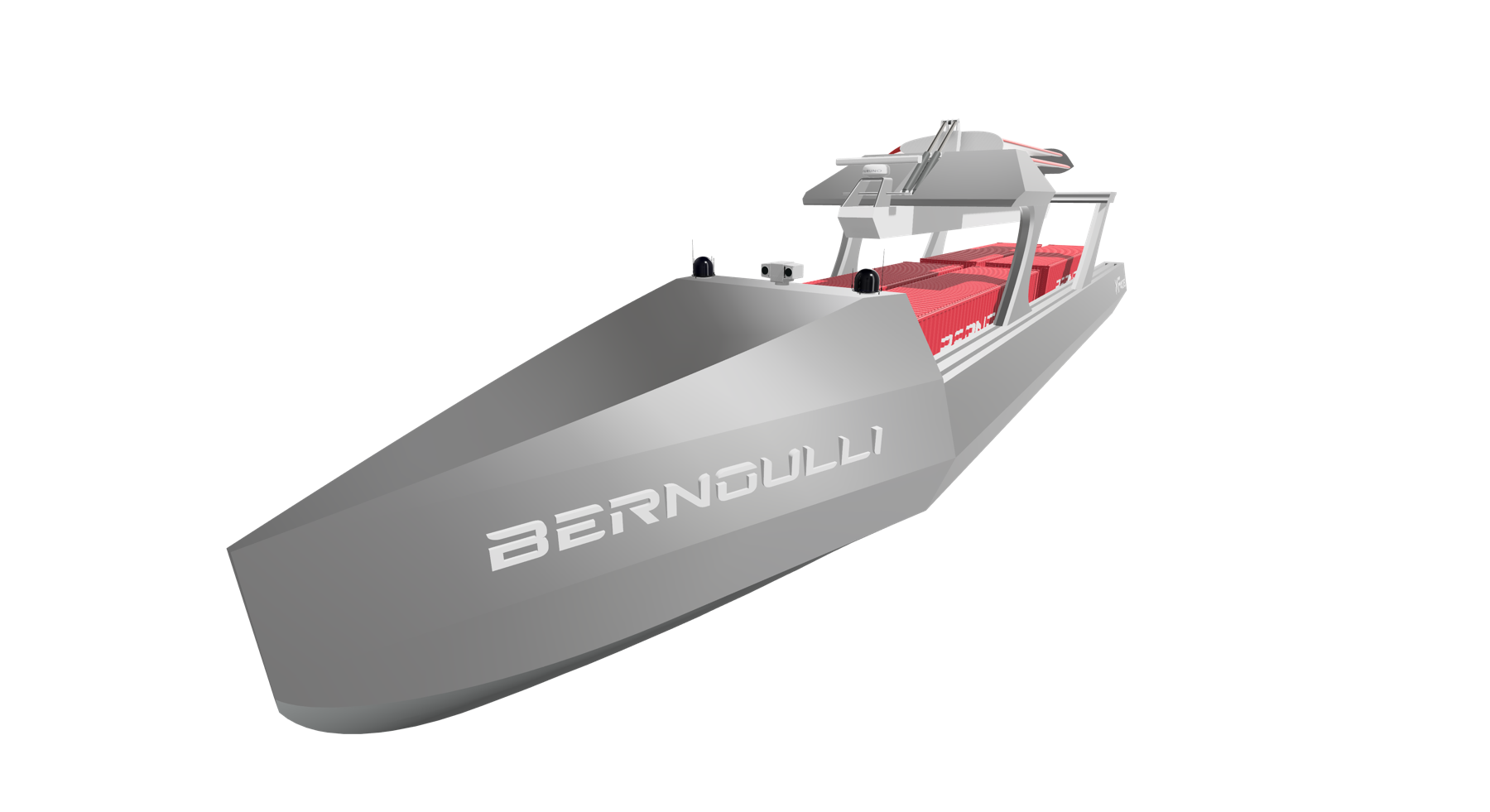
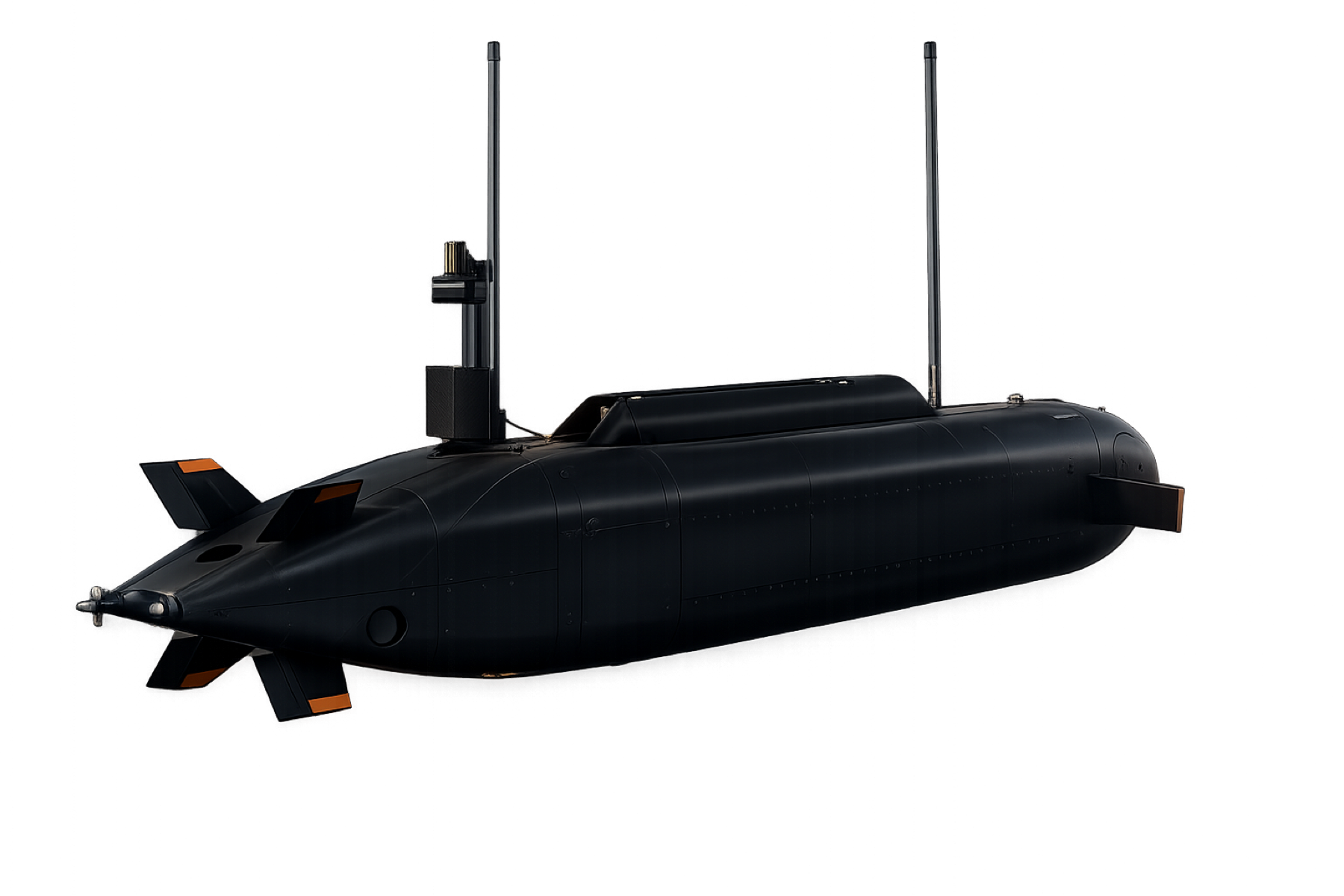
A deployable platform family for inspection, logistics, relay, transport, and special missions, centered around ORCA, XF408, XF11, and R9.
Platform Matrix
From endurance patrol to heavy transport, the platform family scales by mission density and deployment radius.
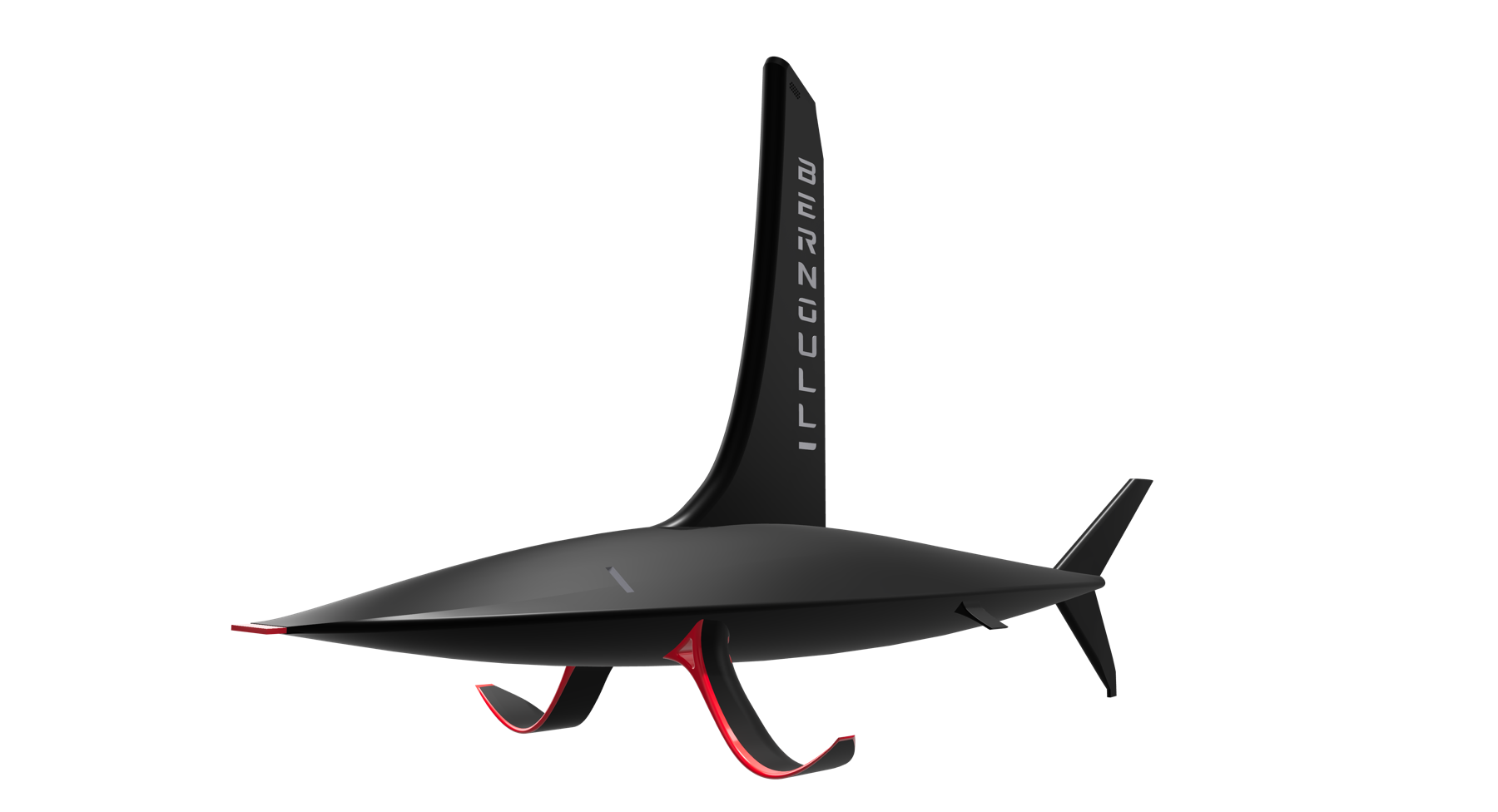
ORCA covers endurance patrol and relay, XF408 focuses on remote transport and logistics, XF11 supports forward deployment, and R9 serves hybrid sub-surface and customer-specific validation scenarios.
Execution Path
From lighthouse validation to scaled replication, the commercialization path is clear.
The go-to-market approach starts with high-value scenarios and operating proof before broad rollout.
Lighthouse Validation
Establish operating results and repeatable delivery templates through early BlueShift vessel installs, paid BlueGuard pilots, and NavBrain deployment on in-house platforms.
Fleet and Regional Replication
Expand from single-vessel and single-site projects into sister-ship replication, annual service contracts, and multi-site deployments to create a more layered revenue mix.
Platform Expansion
Scale the product matrix into a broader green maritime infrastructure platform through ecosystem partners, supply-chain leverage, and scenario integration.
News
Product evolution, technical progress, and key milestones.
The newsroom serves as the public-facing stream for brand updates, technical viewpoints, and platform progress.
2026.04.22
ifeng dialogue outlines BERNOULLI's physical AI narrative
The media interview connects digital-native shipbuilding, BlueShift, NavBrain, and the SEA network into one public-facing story.
2026.03.31BlueShift defines a dual commercial structure
Hardware sales and WindLedger performance sharing now form a clearer path from first install to recurring value.
2026.03.31BlueGuard platform pages are reorganized for clarity
The platform family is now structured by mission boundary, deployment radius, and payload profile to improve readability and consistency.
Start The Conversation
Start from system capability and move into real operating scenarios.
If you are evaluating fleet retrofit programs, offshore autonomous deployment, ship-shore coordination, or mission systems for complex environments, the product matrix and technology stack are the right place to start the conversation.